
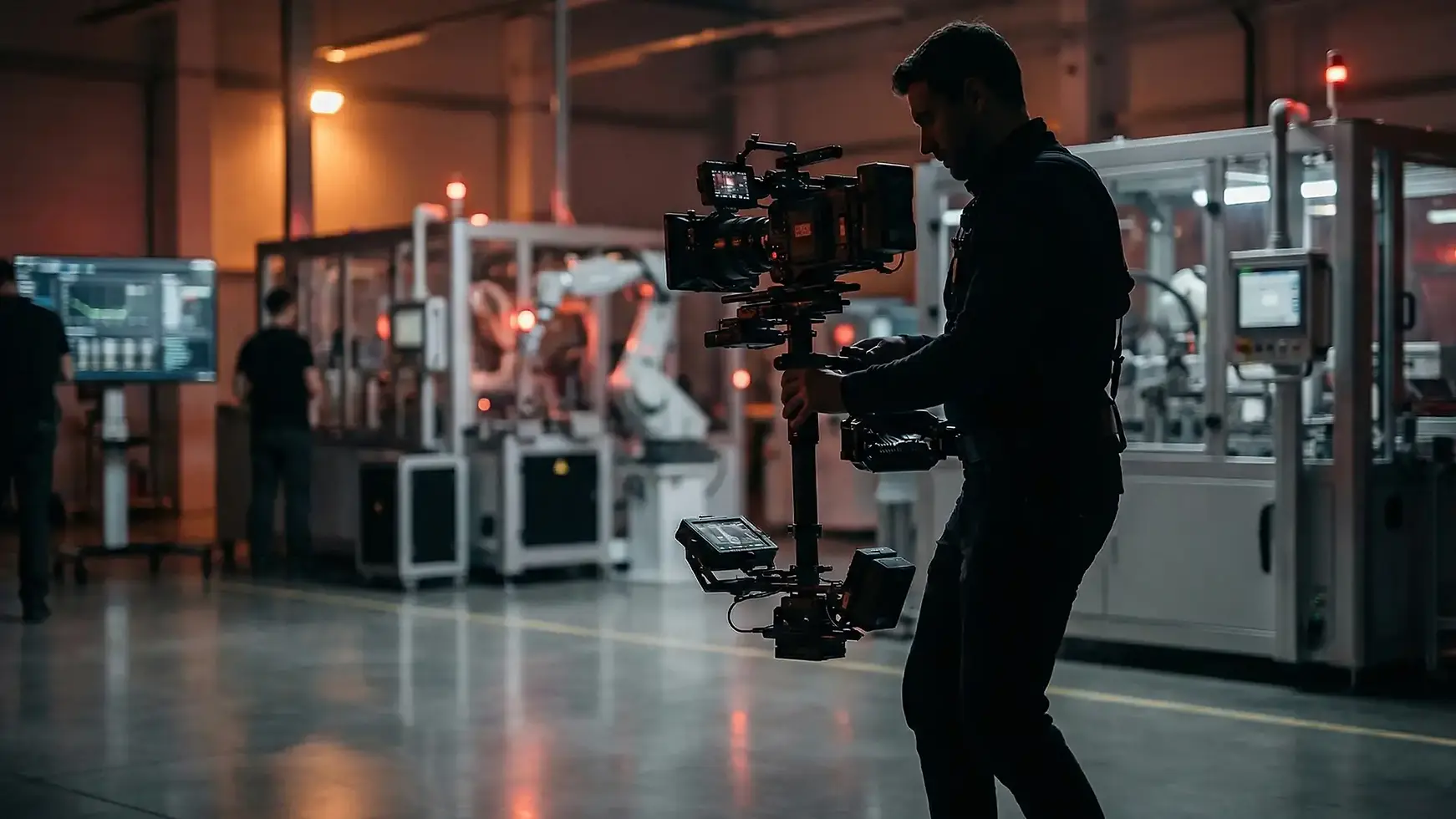
Factory Film Examples by Sector: Every Industry Has a Different Story


Factory Film Examples by Sector:
A factory film for a food plant and a factory film for a metal-processing facility cannot be produced with the same approach. Every sector has different production processes, working environments, safety requirements and visual language. These differences directly determine the filming technique, script structure and post-production approach.
Medyabox has completed more than 50 factory film projects. Our experience across sectors from food to textiles and from metal to chemicals means that we understand the distinctive requirements of each industry directly from the field.
In this article on factory film examples, we share the factory-film approaches used in the most common sectors, the scenes that must be shown in every sector and the technical filming requirements.
Food and Beverage Sector
Visual Language of the Sector
Cleanliness, hygiene and reliability are the dominant messages in the food sector. White coats, hygiene caps, sterilisation procedures and clean production areas should be visually prominent.
The colour palette should be bright and clean. Warm tones make food products look appetising, while cool white tones strengthen the perception of hygiene. A balanced combination of the two produces the most effective result.
What the Film Should Show
Raw-material intake and quality control: the arrival of raw materials at the facility and the first quality-control stage build confidence. HACCP-compliant production areas: a clear view of the production environment that meets hygiene standards. Packaging line: fluid coverage of the automated packaging process creates a perception of capacity and modernity.
Laboratory and testing procedures: food-safety tests, sample analysis and quality-control devices. Warehousing and cold-chain storage: product-storage conditions and logistics infrastructure.
Filming Challenges
Entry to food-production areas is subject to special hygiene rules. The crew must wear hygiene clothing, the equipment must be sterilised and filming time must be limited in some areas. Camera lenses fog in cold stores; the equipment therefore needs time to adapt to the ambient temperature.

Textile and Apparel Sector
Visual Language of the Sector
The textile sector is one of the most visually rich industries. Coloured yarns, rotating spools, woven fabrics and stitching details provide highly cinematic images. Macro filming is essential in this sector: fabric texture, yarn details and stitching quality are shown most effectively with a macro lens.
What the Film Should Show
Raw-material and yarn warehouse: colour variety and stock capacity. Weaving or knitting department: the looms in operation and the fabric-forming process. Dyehouse: the colouring process and colour-consistency checks. Cutting and sewing: precision cutting machinery and sewing operations. Quality control: fabric-testing devices, colour-measurement instruments and finished-product inspection. Warehouse and dispatch: orderly storage of packaged products and export preparation.
Filming Challenges
Noise levels are high in textile factories, making interviews difficult, particularly in weaving areas. Dust levels can also be high, requiring lens cleaning. High humidity and temperatures in dyehouse sections may be demanding for equipment.
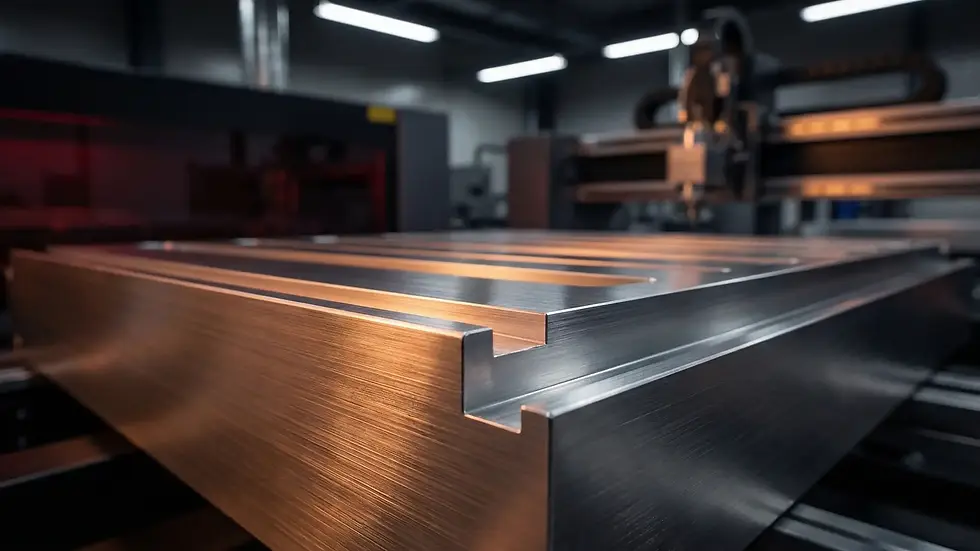
Metal Processing and Automotive Supplier Industry
Visual Language of the Sector
The metal sector is one of the most cinematic industries. Showers of sparks, glowing metal, casting, the precision of CNC machining and welding light provide exceptionally strong visual elements. Slow motion is particularly effective: slowed sparks create a dramatic and impressive atmosphere.
The colour palette is built around dark tones, metallic reflections and fire colours. This natural palette increases the cinematic quality of the film.
What the Film Should Show
Raw-material warehouse and material intake: stocks of steel, aluminium or copper. CNC machinery and precision machining: the modern machinery park and level of automation. Casting or forging department: hot-metal processing. Welding and assembly: demonstration of the production stages. Quality control: measurement devices, CMM coordinate-measuring machines and surface-testing devices. Certifications: ISO, IATF and sector-specific certificates.
Filming Challenges
OH&S risks are at their highest level in the metal sector. Sparks, high temperatures, heavy parts and noise create serious safety risks for the crew. The crew must use PPE, including safety glasses, helmets, steel-toe footwear and fire-resistant clothing.
Sparks and welding light can damage the camera sensor. ND filters and protective glass are required. Camera dynamic range becomes important when moving between dark and bright areas; cinema cameras are superior to DSLR cameras in this respect.
Plastics and Packaging Sector
Visual Language of the Sector
Automation and speed are central in the plastics sector. The cyclical operation of injection-moulding machines, the continuous flow of extrusion lines and mould-change procedures provide rhythmic and hypnotic images. Time-lapse makes the accelerated view of a production cycle attractive.
What the Film Should Show
Injection or extrusion lines: machine cycles and level of automation. Mould workshop: mould design and production capacity. Raw-material silos: granule stock and raw-material management. Quality control: measurement devices, hardness testing and visual inspection. Packaging and dispatch: automated packaging lines.
Filming Challenges
Injection machines have short cycle times. Capturing the moment when the mould opens and the product emerges requires timing. Filming at a high frame rate, such as 60 fps or 120 fps, allows these moments to be shown clearly.

Chemical and Cosmetics Sector
Visual Language of the Sector
The laboratory environment is central in the chemical and cosmetics sector. Specialists in white coats, test tubes, analysis devices and formulation processes create a scientific and reliable perception. Clean and orderly images are essential in this sector.
Product aesthetics should also be reflected in cosmetics films. Coloured pigments, creamy textures and elegant packaging add visual richness.
What the Film Should Show
R&D laboratory: formulation development and testing equipment. Production lines: mixing, filling and packaging. Quality-control laboratory: analysis devices and test results. Warehousing and logistics: hazardous-material storage standards in the chemical sector and temperature-controlled storage in cosmetics. GMP-compliant production areas: compliance with Good Manufacturing Practice standards.
Filming Challenges
Access to some areas in chemical facilities is restricted. Hazardous-material storage areas and reactor zones require special permission. Hygiene rules in cosmetics production areas affect filming conditions in a similar way to the food sector.
Shared Filming Principles Across Sectors
Drone Filming Is Standard in Every Sector
An aerial view of the facility should be included in every factory film, regardless of sector. Aerial filming shows the physical size and infrastructure of the facility in the most effective way.
Management Interview
A factory manager or general manager explaining the company's vision, capacity and objectives on camera builds confidence. The interview should be filmed in the factory's most impressive area, such as in front of the production line or in the showroom.
Employee Footage
An orderly working environment, uniformed employees and the use of safety equipment strengthen professional perception. It is important to film employees within their natural workflow and avoid the impression of staged scenes.
Export-Focused Images
Showing dispatch preparation, container loading and logistics processes is important information for overseas buyers at exporting factories. We examine this subject in detail in our article on factory films for export.
Medyabox Factory-Filming Experience
Medyabox develops a sector-specific approach for every factory film project. Our experience includes filming to hygiene standards at Canan Kozmetik, documenting a multi-stage production line at Selga Textile, automation-focused filming at Titiz Plastik and large-facility filming at Yurtbay Seramik.
Every project includes location recce, OH&S-compliant filming plans, scriptwriting, drone filming, professional editing and voice-over. We share sector-based budget details in our Factory Film Prices 2026 article.
To receive a project-specific quotation, contact us through our contact page.
Frequently Asked Questions
Does the same filming crew work in every sector?
Yes, our core crew is permanent. However, additional specialist support may be used according to the sector. Additional resources such as a hygiene consultant in the food sector or an OH&S professional in the metal sector can be included in the project.
Which sector produces the most visually impressive film?
Metal processing and heavy industry provide the most cinematic images. Sparks, glowing metal and heavy machinery are naturally dramatic and striking. However, every sector has its own visual strength, and the correct technique can turn every factory into an impressive film.
Does production stop on the filming day?
No. Medyabox specialises in filming without stopping production. The filming plan is prepared according to the production flow, and production loss is minimised.
We have more than one facility. Can all of them be shown in one film?
Yes. Multi-facility projects can be combined in one corporate film. A separate filming day is planned for each facility, and the material is integrated in the edit. This approach is common for holding groups and companies with multiple facilities.
To receive a sector-specific factory-film quotation, contact us through the contact page or call +90 216 504 28 70.