

How to Film a Factory Without Stopping Production

Updated: Jul 29
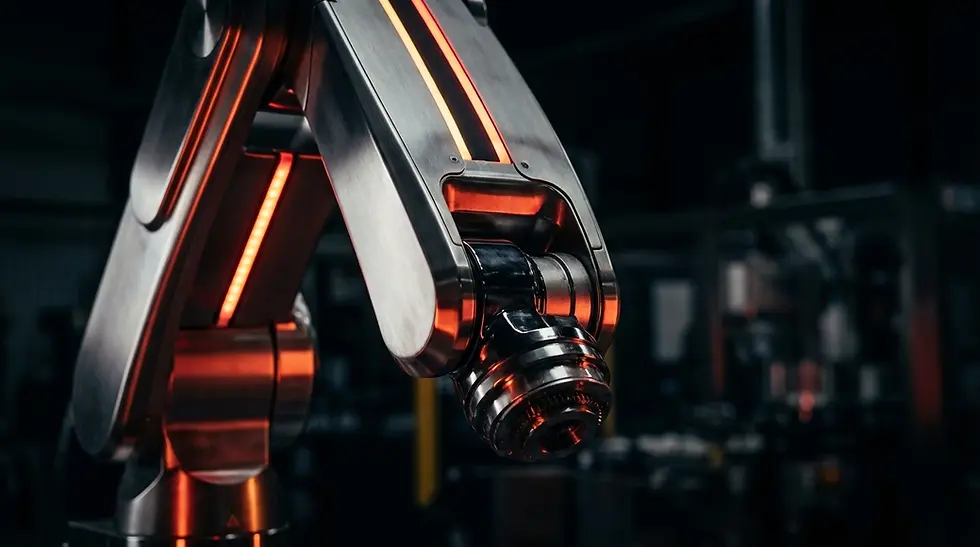
Filming a Factory Without Stopping Production
Every company considering a factory film asks the same question: “Do we need to stop production during factory filming?” The concern behind this question is understandable, because every shutdown in industrial manufacturing creates a direct cost. Even an interruption of a few hours can cause serious losses at facilities operating continuous or high-volume production.
The answer is clear: no, production does not need to stop. A professional filming crew prepares a plan aligned with the production flow and works without disrupting the facility’s normal operations. Footage recorded during production is also far stronger than images of an empty factory. Operating machinery, a moving production line and active employees provide concrete evidence of real capacity.
Medyabox has successfully applied this approach in more than 50 factory-film projects. This guide explains how uninterrupted filming is planned, together with the challenges encountered on site and their solutions.
Why Should a Factory Be Filmed Without Stopping Production?
The Effect of Authenticity
Idle machinery, stopped conveyors and staged poses do not inspire confidence. Overseas buyers in particular want to see an active production line because it is concrete evidence of capacity. Recording machinery in operation, employees at work and products leaving the line directly strengthens the film’s credibility.
A film recorded in a stopped factory creates the impression of a studio setup. A film recorded during active production naturally communicates that the facility is genuinely operating.
The Cost Reality
Stopping production creates both lost output and the cost of idle employees. In some sectors, including glass, metal casting and food production, stopping and restarting a line can take hours. During this period, raw-material loss, energy waste and delivery delays may occur. Filming without stopping production removes these costs entirely.
Natural Image Quality
Images recorded during production are natural and organic. Employees do not pose for the camera; they continue their normal work. This authenticity increases the viewer’s sense of trust. Artificial poses that appear staged create the impression that what is shown is not real.
The Six Stages of Uninterrupted Filming Plans
Stage 1: Location Recce
One or two weeks before the filming day, the production crew visits the factory. The recce examines the physical layout and direction of the production flow, lighting conditions—including natural-light sources and the type and adequacy of the existing lighting—the sound environment, safe movement routes for the crew and equipment, hazardous areas involving high temperatures, rotating parts or chemicals, and electrical access points for charging and lighting.
The location recce forms the foundation of the shooting plan. Arriving on the filming day without completing a recce causes time and quality losses when unexpected conditions are encountered on site.
Stage 2: A Shooting Plan Aligned with the Production Flow
The shooting plan is prepared around the factory’s production rhythm. Information such as which line is most active at which time, when shifts change in each department and when meal breaks take place shapes the plan.
The filming sequence generally follows the production flow: it begins with raw-material intake, follows each production stage in order and reaches the finished-goods warehouse. This chronological approach presents a logical story to the viewer and also requires the minimum amount of movement through the factory.
The estimated filming time for every scene is planned in minutes. The crew knows in advance where it should be at each point of the day. This disciplined planning ensures that the filming day is used efficiently.
Stage 3: Preparing the Site
The factory completes several preparations on the day before filming. These preparations do not stop production; they only optimise the area visually. Walkways should be kept open, pallets and raw materials stacked neatly, cable and equipment clutter removed, unnecessary materials cleared from the production area, floors cleaned and floor markings made visible.
These preparations are not only for visual aesthetics. An orderly site tells the viewer that the factory operates with discipline and control. A cluttered site creates a negative perception regardless of the strength of its production capacity.
Stage 4: Mobile Lighting and Sound Solutions
A factory may appear sufficiently bright to the human eye but often remains dark for a camera. Professional filming requires additional lighting. Large, fixed lighting systems, however, reduce the available production space, restrict employee movement and slow the workflow.
Medyabox uses battery-powered LED panels, portable softbox systems and fast-deploy lighting stands for factory filming. These mobile solutions can be installed in approximately 30 seconds and removed in around ten seconds. Once one scene is recorded, the lighting moves to the next location. The production area is never occupied for an extended period.
Factories are extremely noisy environments. Management interviews are therefore filmed away from the production floor in a relatively quiet location such as an office, meeting room or showroom. During general production-floor filming, ambient sound is controlled and layered beneath the music in post-production.
Stage 5: OH&S-Compliant Filming Protocol
Once the crew enters the factory, it is subject to the same occupational health and safety rules as production employees. Hard hats, protective glasses, steel-toe footwear and high-visibility vests are standard PPE. Additional hygiene clothing is required in some sectors, including chemicals and food production.
Permission to enter hazardous areas is defined together with the factory’s OH&S professional. Minimum distances from rotating parts, maximum waiting periods in high-temperature areas and the conditions for entering chemical-storage areas are clarified in advance.
Moving camera equipment safely through a factory also requires planning. Risks such as tripod legs striking the production line, cables crossing forklift routes or lighting stands falling are assessed in advance.
Stage 6: Shift and Employee Coordination
Filming is generally planned for the beginning of the morning shift. At this time, the production line is at its most active and orderly, employees are rested and prepared, and natural light—where windows are available—is at its strongest.
Shift changes can be complex and are not suitable for filming. Employee movement increases, lines pause and temporary disorder occurs. Shift-change periods are marked as breaks in the shooting plan.
Employees should be informed before the filming day. A simple instruction—“The filming crew will be here today; continue working normally”—is sufficient. Employees are not asked to perform anything special; only full compliance with OH&S rules is expected.
Sector-Specific Challenges and Solutions
Food Factories
Hygiene rules directly affect filming conditions. The crew must wear hygiene clothing, equipment must be sanitised and access time in certain clean-room areas must be limited. Camera lenses fog in cold stores, so time is required for the equipment to acclimatise to the ambient temperature.
Metal and Heavy Industry
Sparks, high temperatures and heavy components create serious safety risks for the crew. ND filters and protective glass are used against welding light and particles that may damage the camera sensor. Noise levels are extremely high, making interviews on the production floor impractical.
Textile Factories
Noise and dust levels are high in weaving departments. Lenses must be cleaned frequently. Detail footage of yarn and fabric requires a macro lens and may require the crew to work close to machinery, making safe-distance rules particularly important.
Chemicals and Cosmetics
Explosion-risk rules, chemical-storage protocols and clean-area requirements determine the filming conditions. Camera equipment may be completely prohibited in some areas. Animation or graphic-supported narration provides an alternative when these areas need to be explained.
Short Pauses: When Are They Necessary, and How Are They Planned?
A Short Pause Without Stopping Production Completely
Some critical scenes may require a short pause lasting between 30 seconds and two minutes. Examples include opening a machine cover to show the internal mechanism or removing a product from the line for a controlled close-up.
These pauses are planned in advance, coordinated with the production manager and written into the shooting plan with the exact line, minute and duration. Unplanned and sudden shutdown requests are not accepted.
Alternatives That Require No Pause
Most scenes can be filmed without disrupting the production flow. Gimbal movement beside the line, an operator working naturally, the moment a product leaves the line and wide views of the production area require no pause.
Drone filming also has no effect on production because it takes place outside the facility. Drones are not used indoors; gimbals and sliders provide the moving shots instead.
Filming-Day Timeline: A Typical Example
06:00–07:00: Crew Arrival and Set-Up
The crew arrives at the factory before production begins. Cameras, lighting and sound equipment are prepared. Clean, wide images of the empty factory are recorded while the site is orderly and uncluttered.
07:00–12:00: Production-Line Filming
Production-line filming begins with the morning shift. Raw-material intake, production stages, quality control and packaging are recorded in order. This is the most productive part of the filming day.
12:00–13:00: Break and Management Interview
The production area becomes quieter during the meal break. This period is ideal for the management interview, which is filmed in an office or showroom.
13:00–15:00: Detail and Drone Filming
Product close-ups, machinery details, quality-control devices and exterior drone footage are recorded in the afternoon. Warehouse and dispatch areas are also filmed.
15:00–16:00: Completion and Pack-Down
Any missing scenes are completed, the equipment is packed and the filming day ends.
The Medyabox Approach to Uninterrupted Filming
Medyabox applies an “invisible crew” principle in factory-film production. The team moves through the factory with the smallest possible presence, does not interfere with the production flow and avoids disrupting employees’ normal work.
A location recce is mandatory for every project. We do not arrive on the filming day without completing it. The shooting plan is prepared around the factory’s production calendar, shift times and OH&S requirements.
Our article Why Factory Video Is Critical for Export Trust examines the other dimensions of this subject.
To receive a project-specific quotation, contact us through our contact page.
Frequently Asked Questions
Will filming disrupt production?
No, not when it is planned correctly. Medyabox prepares the shooting plan around the production flow. When short pauses are required, they are coordinated with the production manager in advance and scheduled by minute.
How many hours does the crew remain at the factory?
A standard factory-filming day lasts eight to ten hours including set-up. Active filming takes approximately six to eight hours.
Do employees need to do anything special?
No. Employees continue their normal workflow. They are only expected to comply fully with OH&S rules. A short briefing before filming is sufficient.
Can filming take place during a night shift?
Yes. Night-shift filming creates a different lighting language and atmosphere. It requires a dedicated lighting plan, but in sectors such as metal casting and glass production it can produce highly impressive images.
How long does preparation before filming take?
The location recce takes two to three hours, preparation of the shooting plan takes two to three days, and the factory’s site preparation begins one day before filming. The complete planning process should begin one to two weeks before the filming day.
For uninterrupted factory-filming plans and a quotation, contact us through our contact page or call +90 216 504 28 70.