

Event Video Production Process: Professional Planning for Launches and Conferences

Updated: Jul 29
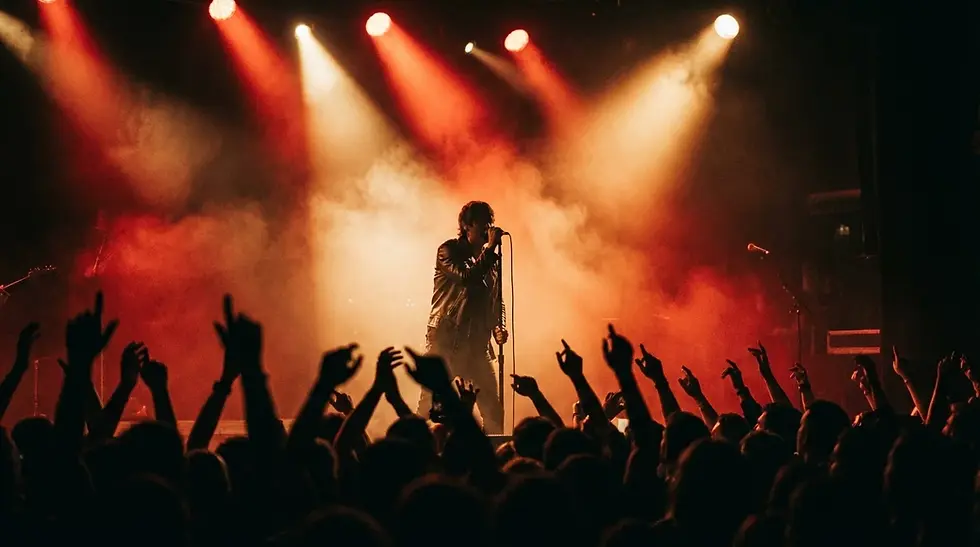
Event Video Production Process
Event video production differs from other types of video production in one fundamental way: you have only one chance. In a corporate film, a scene can be filmed again when it does not work. At an event, a missed moment does not return. The chief executive walking on stage, the audience rising to its feet and the reaction of an award recipient happen only once.
This reality explains why planning is more critical in event filming than in other production types. It is not possible to say, “We will work it out on the day”; every detail and every scenario must be considered in advance.
In this article, we explain every stage of the event video production process, from coordination with the organiser to fast-delivery options.
Pre-Planning: Three to Four Weeks Before Filming
First Meeting with the Organiser
Event filming begins by understanding the organiser’s needs. The first meeting clarifies the event type and objective, programme flow and timetable, number and layout of rooms, speaker list and moments to be emphasised, sponsor-visibility requirements, expected deliverables—aftermovie, clips, complete recordings and teasers—and the delivery schedule.
The organiser’s expectations are matched with production capacity at this stage. The budget, crew size and technical requirements are determined accordingly.
Venue Recce
A physical inspection of the venue directly affects filming quality. The recce assesses the stage dimensions and speaker position, lighting system and colour temperature, sound-system infrastructure and line-output points, camera-position options such as tripod permission and balcony access, power-socket locations, seating arrangement and corridor width.
When a venue recce is not possible, planning is completed using the room plan, photographs and technical specification. A physical inspection nevertheless always produces a more reliable result.
Preparing the Shooting Plan
A minute-by-minute shooting plan is created according to the programme flow. It records which camera will be in which position at what time, the source from which sound will be recorded and the additional footage to be captured during breaks.
Critical moments are marked in particular: the opening speech, keynote speaker, awards ceremony, sponsor visibility and VIP reception. These moments cannot be missed under any circumstances and are marked in red in the shooting plan.
Planning the Crew Size
Crew by Event Scale
Small event—half day, one room, 50–150 people: one camera operator and one assistant. Medium event—full day, one room, 150–500 people: two camera operators, one sound operator and one director. Large event—full day, multiple rooms, more than 500 people: three to five camera operators, one or two sound operators, one director and one production assistant. International congress—multiple days, multiple rooms and live streaming: a complete crew of five to eight people.
The Director’s Role
The director is the conductor on the filming day. The director follows the programme flow, gives operators live instructions by radio, notices unexpected moments and guides the crew. Without a director, coordination within a multi-camera team deteriorates and the amount of usable editing material decreases.
Event-Day Workflow
Morning: Setup, 06:00–09:00
The crew arrives at the venue two to three hours before the event opens. Cameras are placed on tripods or monopods. Sound connections are installed and tested, recording levels are set, monitors are prepared and the time stamps of all cameras are synchronised.
Empty-venue footage is recorded at this stage: the stage arrangement, banners, sponsor images and general venue views are captured cleanly before guests arrive. These shots are valuable for the opening scenes of the aftermovie.
Throughout the Event: Continuous Recording
When the event begins, all cameras start recording and remain active throughout the event. The director follows the programme minute by minute. Camera operators must be ready during speaker transitions.
Unexpected moments are extremely valuable to the filming crew. Unplanned applause, an emotional reaction or a sincere backstage moment is captured instinctively by experienced operators. These natural moments often form the strongest scenes in the aftermovie.
Breaks: Networking and Interviews
Coffee and meal breaks are the most productive periods for the filming crew. Networking moments, stand visits, participant conversations and spontaneous interviews are recorded during these periods. This footage carries the social dimension of the event into the aftermovie.
Planned interviews can also be completed during breaks. Short interviews with speakers, conversations with sponsor representatives and participant-experience statements create valuable content.
Closing and Afterwards
The closing speech and farewell moments are recorded. A final view of the venue can be captured after the room empties. The equipment is packed and the filming day is completed.
Sound-Recording Strategy
Multiple Sound Layers
Professional event sound is recorded in three layers. The first layer is the speaker’s voice through a line connection—clean and studio quality. The second layer is panel and interview sound from lavalier microphones. The third layer is the room atmosphere from an ambient microphone—applause, crowd noise and energy.
These three layers are combined in post-production. Only the first layer is used in speaker clips. In the aftermovie, all three layers are placed beneath the music.
Sound-Test Procedure
All sound connections are tested before the event begins. The signal level of the line connection is checked—a low signal creates a noisy recording, while a high signal causes distortion. Battery levels and channel conflicts are checked on lavalier microphones. A test recording is made and played back.
Skipping the sound test is the highest-risk mistake in event filming. Discovering a sound problem after the event has begun is generally too late.
Fast-Delivery Options
Same-Day Teaser
A short 30–60-second video is prepared during the event or at closing. It requires an editor working on location. The editor watches the filmed material in real time, selects the strongest moments and places them beneath music. It can be shared on social media at closing time or on the same evening.
This format strengthens the event’s digital impact while its immediacy continues. The reach difference between a teaser shared on the same evening and the same teaser shared one week later is striking.
Next-Day Aftermovie
Editing begins during the filming night or the following morning. The aftermovie is delivered within 24–48 hours through a shortened post-production process. Colour grading and sound design may be kept slightly simpler than in standard delivery, but the speed advantage maximises the event’s digital impact.
Standard Delivery: Five Working Days
All material is reviewed in detail, followed by professional editing, comprehensive colour grading, sound design and music. This is the approach that guarantees the highest quality. The aftermovie, speaker clips, social-media teasers and, where required, complete session recordings are prepared during this period.
Process Differences by Event Type
Congress and Conference Filming
This type requires the longest planning process. The programme flow is complex, the number of rooms may be high and uninterrupted sound recording is essential. The filming crew works with full concentration throughout the event. For detailed information about congress filming, review our congress and conference video-production guide.
Launch Filming
The product-reveal moment happens only once and cannot be missed. At least two cameras should film this moment from different angles. A separate period is reserved before or after the event for product-detail filming.
Trade-Fair Filming
The noisy and crowded environment is the greatest challenge. A lavalier microphone is essential for interviews. The organiser’s filming rules must be learned in advance. Our trade-fair video-filming guide examines this subject in detail.
Gala and Awards-Ceremony Filming
A low-light environment requires specialised camera settings. It is important for the crew to work invisibly; large lighting equipment disrupts the atmosphere. Each award moment should be filmed simultaneously in a close-up and a wide shot.
The Medyabox Event-Filming Approach
At Medyabox, we work according to a “zero missed moments” principle in event-film production projects. Every event project includes a pre-planning meeting, venue recce, detailed shooting plan, multi-camera setup, professional sound recording and fast-delivery options.
We have filmed many corporate events, including Google DevFest and events for Yıldız Technical University and Galatasaray University.
To receive a project-specific quotation, contact us through our contact page.
Frequently Asked Questions
How far in advance should filming be planned?
A minimum of three weeks. For large congresses, beginning six to eight weeks in advance is recommended.
Does the filming crew work continuously throughout the event?
Yes. All cameras remain recording throughout the event. The crew does not work in shifts; it works with full concentration all day. Break times are therefore planned in advance.
Does fast delivery require an additional cost?
Yes. A same-day teaser or next-day aftermovie requires an editor on location. It adds 20–30 per cent to the standard budget.
What information is required from the organiser?
The minimum information set is the programme flow, speaker list, room plan, technical information about the sound system, filming rules and sponsor-visibility requirements.
Can you also provide a live stream of the event recording?
Yes. Live streaming and aftermovie filming can be planned together. The two services require separate crews and infrastructure.
Prepare Your Event for Lasting Impact, Not Just One Day
See how planning quality appears on screen in our Peugeot 408 launch-film project. To define the scope more clearly, review our real event-film projects and our congress and conference video-production guide.
For an event-filming project, contact us through the contact page or call +90 216 504 28 70.